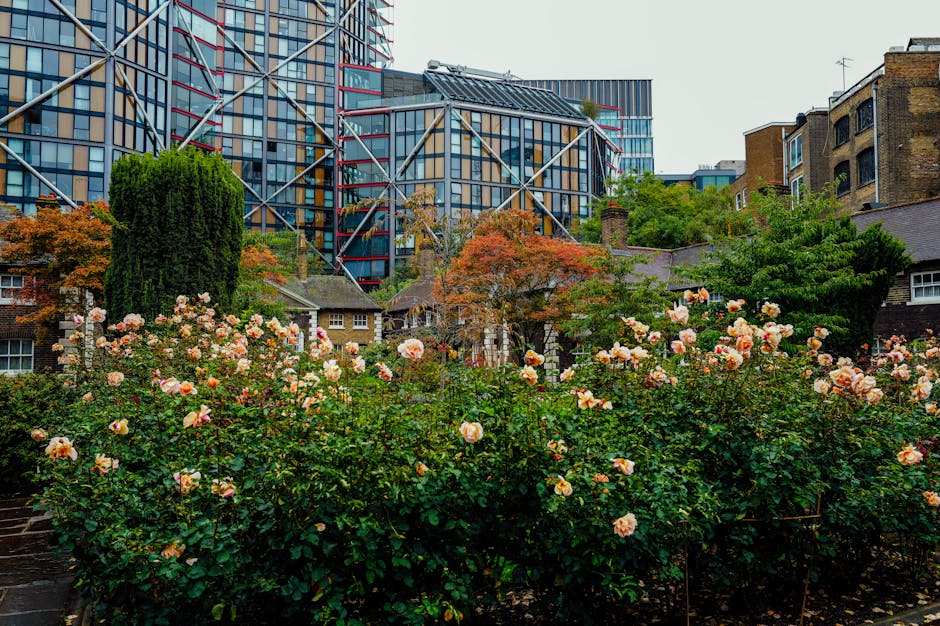
Avoid hidden charges from Soho gardeners what to know
If you've ever booked garden help and then felt slightly stung by the final bill, you're not alone. Hidden charges can turn a simple tidy-up into an awkward conversation. This guide explains Avoid hidden charges from Soho gardeners what to know in plain English, so you can book with more confidence, ask the right questions, and spot the small print before it bites. Whether you need a one-off visit or regular upkeep, a clear pricing conversation makes all the difference.
Soho gardens and outdoor spaces can be a little unusual too: compact courtyards, shared access, restricted parking, and jobs that look quick until you're halfway through and realise there's more ivy than lawn. That's where extra fees often creep in. Let's break down how to avoid that headache, what a fair quote should include, and the simple checks that keep everyone on the same page.
Table of Contents
- Why this matters
- How pricing and charges usually work
- Key benefits of getting it right
- Who this is for
- Step-by-step guidance
- Expert tips for better results
- Common mistakes to avoid
- Tools, resources and recommendations
- Law, compliance, standards and best practice
- Options and comparison table
- Case study or real-world example
- Practical checklist
- Conclusion
- Frequently asked questions
Why Avoid hidden charges from Soho gardeners what to know Matters
Price surprises usually happen when a quote is too vague. A gardener may quote for "garden clearance" or "maintenance" but not spell out what happens if access is awkward, waste volumes are higher than expected, or the job takes longer because the space has been neglected for months. That doesn't automatically mean anyone is acting badly. More often, the issue is simply a lack of detail upfront.
Still, detail matters. In a busy area like Soho, time, access, parking, and disposal can all affect the final cost. If you don't ask how those factors are handled, you may end up paying for the unspoken bits. And nobody enjoys that. Not the customer, not the gardener, not the person standing by the door at 6pm wondering where the "small extra" came from.
The main reason this topic matters is trust. When pricing is clear, you can compare providers properly, budget sensibly, and avoid the uncomfortable feeling that you've been sold one thing and charged for another. It also helps you choose the right service level. A quick lawn tidy is not the same thing as a full clearance, and a hedge trim is not the same thing as shaping overgrown boundary work.
Key takeaway: the cheapest quote is not always the best value. The clearest quote usually is.
If you want a better sense of how service descriptions are framed, it can help to review the provider's wider services overview before you compare pricing. That often makes the scope much easier to read.
How Avoid hidden charges from Soho gardeners what to know Works
Most hidden-charge problems start before the job begins. A quote is requested, a price is given, and the customer assumes that price covers everything needed. But unless the quote states what is included, what is excluded, and what triggers an extra charge, there's room for confusion. Quite a lot of room, actually.
In practical terms, a good pricing process should cover five things:
- Scope: exactly which tasks are included.
- Access: whether narrow entrances, stairs, or limited parking affect the price.
- Waste: whether green waste removal, bagging, and disposal are included.
- Time: whether the price is fixed or based on labour time.
- Materials: whether compost, soil, timber, or supplies are extra.
Some gardeners quote a fixed fee for a clearly defined job. Others work on an hourly basis or use an estimate that may change if the site conditions differ from what was described. Both approaches can be fair. The problem starts when the customer is not told which model is being used.
For example, a "lawn mowing" visit might sound simple, but if the lawn is heavily overgrown, the gardener may need more time, different equipment, or additional cut-and-clear work. If that possibility isn't explained at the start, the invoice can feel like a trap. It's not always malicious. Often it's just sloppy communication. But sloppy communication still costs money.
That's why reputable providers usually explain pricing conditions clearly and direct customers to their pricing and quotes information. Good pricing pages don't hide the reality; they spell it out so you can decide with eyes open.
Key Benefits and Practical Advantages
Getting pricing clarity is not just about avoiding surprises. It changes the whole booking experience for the better. You spend less time worrying, less time chasing explanations, and less time arguing over what was "supposed" to be included.
- Better budgeting: you know what the job should cost before it starts.
- Cleaner comparisons: you can compare quotes like-for-like instead of apples with pears.
- Less stress: no awkward post-job conversations about extra labour or waste.
- Faster decisions: clear quotes make it easier to book the right service quickly.
- Higher trust: a transparent gardener usually feels more professional from the first call.
There is also a practical benefit people sometimes overlook: a detailed quote often helps the gardener do a better job. Why? Because a proper discussion about the work tends to surface tricky bits early. Maybe the gate is too narrow for larger equipment. Maybe there's a steep step. Maybe the back area needs a ladder, and the tree work should not be treated as a quick add-on. Once those details are known, the plan is better. Simple as that.
If sustainability matters to you, you may also want to ask how waste is handled. For some jobs, greener disposal and reuse practices may be relevant, and you can read more about that on the provider's recycling and sustainability page. It's a small detail, but it often says a lot about how carefully the business operates.
Who This Is For and When It Makes Sense
This advice is for anyone booking garden work in or around Soho who wants to avoid unexpected costs. That includes homeowners, landlords, tenants with permission, property managers, hospitality businesses, office buildings with small outdoor areas, and anyone maintaining courtyard spaces or roof terraces. Soho is full of compact, high-traffic, and access-sensitive spaces. In other words: the kind of places where "just a quick job" can become a long one.
It makes particular sense if:
- the garden is overgrown or has not been maintained for a while;
- you need waste removed rather than left on site;
- the property has limited access, loading issues, or parking restrictions;
- you are booking more than one service, such as hedge trimming and clearance;
- you want recurring maintenance and need predictable billing;
- you are comparing multiple providers and want a fair comparison.
If your job is straightforward and small, pricing may stay simple. But once the work becomes a bit more involved, you should expect a bit more conversation. To be fair, that's not a bad thing. A five-minute clarification now can save you a twenty-minute dispute later. Nobody wants that.
For recurring work, regular upkeep usually reduces the chance of extra charges because the garden stays in manageable condition. If that sounds like your situation, the garden maintenance service is worth understanding before you commit to one-off visits only.
Step-by-Step Guidance
Here's a practical way to reduce the risk of hidden charges before you book.
- Describe the job clearly. Say exactly what needs doing, where, and how urgent it is. Mention size, condition, access, and whether waste should be removed.
- Ask what the quote includes. Don't assume labour, waste collection, materials, and disposal are all covered. Ask directly.
- Check for common extras. Find out whether parking, congestion, multiple trips, heavy waste, or specialist tools would be charged separately.
- Request confirmation in writing. A short written message is enough. Email, text, or an online form summary can all help.
- Clarify the pricing model. Is it fixed price, hourly, or an estimate? Those are not the same thing, and the difference matters.
- Ask about change handling. What happens if the gardener finds more work than expected? Will they stop and ask first, or continue and bill later?
- Check the cancellation or minimum charge terms. Sometimes the hidden cost is not on the job itself, but on missed appointments or short-notice changes.
- Review the final invoice against the agreement. If something has changed, ask for the reason calmly and promptly.
That last bit sounds obvious, but people forget it. They see an invoice, feel annoyed, and then wait three weeks before asking questions. By then, the details are hazy. Fresh is better. Always.
If the work involves larger clearance or bulky green waste, it can be useful to look at a dedicated garden clearance page so you know whether the job you're describing really fits that category. The same goes for maintenance, hedging, or mowing. The clearer the service label, the less room there is for wiggle room later.
Expert Tips for Better Results
Most hidden charges can be avoided with a few habits that experienced customers use almost automatically. Nothing fancy. Just good questions and a little attention to detail.
- Use photos when you can. A few clear pictures of the space help the gardener understand the job before quoting. Include access points as well as the garden itself.
- Describe the worst part, not the best part. If one section is badly overgrown, say so. Don't smooth it over.
- Ask what "as standard" means. That phrase can hide a lot. What is standard for one provider may be an extra for another.
- Separate labour from disposal in your mind. Many people assume they are the same thing. They often are not.
- Confirm whether VAT is included if relevant. Some people forget to ask, then wonder why the number changed. A tiny but expensive oversight.
- Agree the job boundary. For example, if the gardener trims the hedge, does that include bagging clippings and taking them away?
A small real-world observation: the best quotes usually come after a brief but honest conversation. A provider who asks a few careful questions is often doing you a favour, not making life difficult. They are trying to avoid the classic "Oh, I thought you meant the whole back area" moment. You can hear the confusion in that sentence already.
It also helps to review who you are dealing with. A little background reading on the company's about us page can give useful context about how they work and what they prioritise. Not everything is about price. Sometimes trust is the better clue.
Common Mistakes to Avoid
Most charge surprises come from a few very common mistakes. Avoid these and you're already ahead of the game.
- Accepting a quote with no scope. A number by itself is not enough. You need to know what that number covers.
- Assuming waste removal is included. It often is not, especially for larger jobs.
- Forgetting access issues. Narrow side paths, locked gates, shared entrances, or limited parking can affect time and cost.
- Ignoring minimum charges. Small jobs may still have a call-out or minimum booking fee.
- Not asking about overgrowth. A garden that looks "a bit untidy" can be far more work in reality.
- Leaving extras unagreed. If the gardener suggests additional work on the day, ask for a new price before saying yes.
One especially common issue is mixing up service types. For instance, hedge work may not be priced the same way as mowing, and a tree-related job can involve different safety considerations altogether. If your job includes anything taller, heavier, or riskier, check the specific service page first, such as hedge trimming or tree lopping and removal. It's a basic step, but people skip it all the time.
Another mistake? Chasing the lowest number without asking why it is lower. Sometimes the answer is efficiency. Sometimes it is a stripped-back service that becomes more expensive once the missing bits are added back in. You can probably guess which one causes grief.
Tools, Resources and Recommendations
You do not need special software to avoid hidden charges. A few simple tools will do the job very well.
- Phone photos: take wide shots of the space, then close-ups of problem areas.
- Notes app or email draft: write down the exact work you want, so you do not forget key details.
- Measure tape or rough pacing: even approximate dimensions help with clearer quotes.
- Invoice checklist: compare the final bill against the agreed scope line by line.
- Service overview pages: these help you understand what the business means by each service.
Useful pages on the site include lawn mowing, landscaping, and landscape gardening. These are especially helpful if your project sits somewhere between maintenance and a more involved transformation.
You may also want to review the company's insurance and safety information. That is not a pricing page, but it does matter if the work is complex, involves ladders, sharp tools, or waste moving through tight communal spaces. Safety and pricing often meet in the same place, even if people talk about them separately.
Law, Compliance, Standards, or Best Practice
For garden services in the UK, the safest approach is to follow clear consumer and business best practice rather than make assumptions. That means written quotes where possible, transparent terms, clear handling of changes, and a straightforward complaints process if something goes wrong.
From a practical standpoint, it is sensible to expect:
- clear description of the service being provided;
- any exclusions or likely extras explained up front;
- reasonable notice before extra work is carried out;
- safe working practices where equipment, ladders, or waste handling are involved;
- honest invoicing that matches what was agreed.
If a provider has formal policies, that is often a positive sign. Pages like terms and conditions and complaints procedure can tell you how pricing disputes, cancellations, or service concerns are handled. You may never need them. But when you do, you really do.
Payment details matter too. Knowing how payment is handled, what methods are accepted, and whether there are any security expectations can help reduce misunderstanding. The provider's payment and security page is a sensible place to check before you agree to anything. It is boring in the best possible way.
Options, Methods, or Comparison Table
Not every garden job should be quoted in the same way. Here is a practical comparison to help you understand what kind of pricing conversation fits each type of work.
| Method | Best for | Advantages | Watch out for |
|---|---|---|---|
| Fixed quote | Clearly defined jobs with known scope | Easy budgeting, fewer surprises | Needs accurate job description |
| Hourly rate | Unclear or variable work | Flexible if the job changes | Can become expensive if scope expands |
| Estimate | Jobs where conditions may change | Useful starting point | Final price may differ from estimate |
| Package or recurring visit | Regular upkeep | More predictable over time | Check what counts as an extra visit or one-off task |
In real life, a fixed quote is often best for a simple lawn cut, hedge trim, or set clearance task. Hourly pricing may be fairer for a neglected garden where the full extent of the work is not obvious at first glance. A package can work well for households and small businesses that want regular consistency rather than one-off panic booking.
If your needs are mostly ongoing rather than dramatic, a regular garden maintenance arrangement may be easier to manage than repeated one-off calls. Fewer surprises. More rhythm. That is usually a good thing.
Case Study or Real-World Example
Here's a simple, realistic example. A client in Soho has a small rear courtyard that has become overgrown after a busy few months. The space looks manageable from the doorway, but there is climbing growth on the fence, a patch of tangled weeds by the bin store, and a pile of cuttings from a previous DIY attempt. Nothing dramatic. Just a bit of a mess, really.
The first quote they receive sounds cheap. It only mentions "basic tidy-up". No mention of waste removal, no mention of access, and no note about the heavy clippings. A second provider asks for photos, checks whether the gate is wide enough for equipment, asks if waste should be removed, and explains how extra labour would be handled if the job turns out bigger than expected.
The second quote is higher. Not wildly higher, just more honest. The customer chooses it because the scope is clearer. On the day, the gardener finishes in the expected time, removes the waste, and the invoice matches the agreement. No drama. No surprise add-ons. The courtyard smells fresh again, the bins are accessible, and the client feels relieved rather than irritated. That feeling matters more than people admit.
That is the real lesson: transparency can look slightly more expensive at first glance, but it often saves money and stress by the end.
Practical Checklist
Use this before you confirm a booking.
- Have I described the job clearly and honestly?
- Do I know whether the price is fixed, hourly, or an estimate?
- Have I asked what is included in labour, waste removal, and materials?
- Are access issues, parking, or loading constraints understood?
- Have I checked whether minimum charges or call-out fees apply?
- Do I know what happens if extra work is discovered on the day?
- Is the quote or agreement in writing?
- Have I reviewed the relevant service page for the work I need?
- Am I comfortable with the payment and invoice process?
- Do I know who to contact if something needs clarifying later?
If you can tick most of those boxes, you are in a much stronger position. Not perfect, perhaps, but strong enough to avoid the classic pricing headache.
Conclusion
Hidden charges are rarely about one big trick. More often, they are the result of vague descriptions, unspoken extras, and assumptions that nobody bothered to check. The good news is that this is very fixable. Ask better questions, request clearer quotes, and make sure the service scope is agreed before anyone starts moving soil, clippings, or tools.
When you understand Avoid hidden charges from Soho gardeners what to know, you are not just protecting your wallet. You are creating a smoother, calmer service experience for everyone involved. And in a place like Soho, where space is tight and schedules are tight too, that calm is worth a lot.
For next steps, review the service details, check the pricing information, and make your booking only when the scope feels clear. That tiny pause before you say yes can save a lot later on.
Get a free quote today and see how much you can save.
Frequently Asked Questions
What counts as a hidden charge with a gardener?
A hidden charge is any cost that was not clearly explained before the work began. It might be waste removal, extra labour, parking-related time, materials, or a minimum fee that you did not know about.
How do I stop extra fees before booking?
Ask for a written quote, confirm what is included, and check whether waste removal, access issues, and extra labour are covered. A few direct questions at the start usually prevent most problems.
Should a garden quote be fixed or estimated?
Either can be fair, depending on the job. Fixed quotes are better for clearly defined work. Estimates can suit more uncertain jobs, but they should be explained carefully so you know the final price may change.
Do gardeners in Soho usually charge for waste removal separately?
Sometimes yes, sometimes no. It depends on the provider and the size of the job. That is exactly why you should ask whether waste collection and disposal are included in the quoted price.
What details should I give to get an accurate quote?
Share the size of the area, the current condition, access points, parking limits, the type of work needed, and whether anything should be taken away. Photos help a lot, honestly.
Can access problems increase the price?
Yes. Narrow entrances, stairs, limited parking, or awkward loading can all add time or complexity. A good gardener will usually mention this before starting, not after.
Is the cheapest quote usually the best deal?
Not always. A low quote may leave out important parts of the job. The best value is usually the one that is clearest about scope, timing, and what happens if the work changes.
What should I do if the final invoice seems too high?
Compare it with the original agreement first. Then ask for a clear explanation of any differences. Keep the conversation calm and focused on what was agreed, not what you hoped was included.
How can I compare different gardeners fairly?
Compare like-for-like. Look at labour, waste removal, materials, access conditions, minimum charges, and whether the quote is fixed or estimated. A neat price on paper means little if it omits half the job.
Do regular maintenance plans reduce hidden charges?
Often they do, because the work tends to stay more predictable. Regular visits can make pricing simpler and reduce the chance of surprise overgrowth or major clearance costs later.
Should I check terms and conditions before booking?
Yes. Terms and conditions usually explain how changes, cancellations, payment, and disputes are handled. It is not thrilling reading, granted, but it can save a lot of hassle.
What is the best first question to ask a Soho gardener?
Ask, "What exactly is included in this price?" That one question does a lot of heavy lifting. It opens the door to the right follow-up questions without sounding awkward.