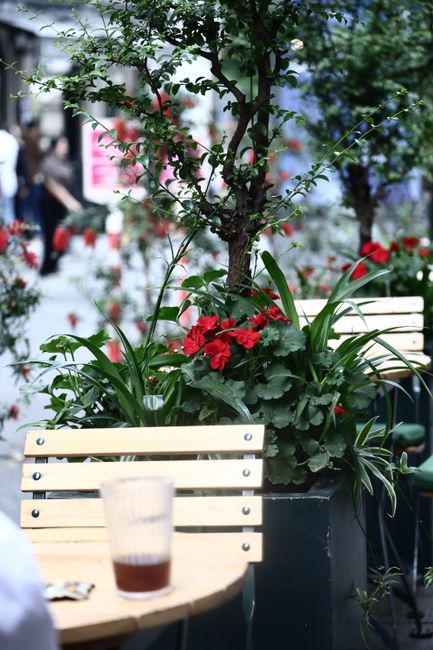
Carnaby Street planter maintenance by Soho gardeners
Carnaby Street looks effortless when the planters are doing their job well. Fresh foliage, tidy edges, healthy seasonal colour, and no tired-looking pots by the bins or shopfronts. But anyone who has managed outdoor planters in central London knows the reality is a bit more complicated. Wind tunnels, shade, footfall, pollution, bin traffic, drying heat from nearby buildings, and the occasional forgotten watering can all have a say.
This guide to Carnaby Street planter maintenance by Soho gardeners explains what proper upkeep involves, why it matters, and how experienced gardeners keep commercial planters looking polished rather than merely alive. Whether you manage a retail frontage, hospitality terrace, office entrance, or mixed-use property, the right maintenance routine can make a surprisingly big difference. And yes, it can save a fair bit of hassle too.
We'll cover the practical steps, seasonal priorities, common mistakes, and the standards that matter in a busy central London setting. If you want a cleaner, safer, more attractive streetscape, you're in the right place.
Table of Contents
- Why Carnaby Street planter maintenance by Soho gardeners Matters
- How Carnaby Street planter maintenance by Soho gardeners Works
- Key Benefits and Practical Advantages
- Who This Is For and When It Makes Sense
- Step-by-Step Guidance
- Expert Tips for Better Results
- Common Mistakes to Avoid
- Tools, Resources and Recommendations
- Law, Compliance, Standards, or Best Practice
- Options, Methods, or Comparison Table
- Case Study or Real-World Example
- Practical Checklist
- Conclusion
- Frequently Asked Questions
Why Carnaby Street planter maintenance by Soho gardeners Matters
Commercial planter maintenance is not just about making things look pretty, although that matters more than people sometimes admit. In a place like Carnaby Street, planters act as part of the area's visual identity. They soften hard paving, frame entrances, and make narrow streets feel more welcoming. A well-kept planter can make a small frontage feel cared for; a neglected one can do the opposite in about three seconds.
In practical terms, regular maintenance keeps plants healthy and reduces the risk of decay, pests, overwatering problems, and ugly gaps. It also helps prevent planters becoming cluttered with litter, fallen leaves, or broken stems. In a busy Soho environment, even a decent-looking planter can unravel quickly if it is not checked properly and often.
There is also a real operational side to this. A planter that is leaning, spilling compost, or blocking a walkway is no longer just an aesthetic issue. It can become a trip hazard, a pest attraction, or a frustration for staff and visitors. That is why Soho gardeners who work on planter maintenance tend to think in terms of routine, consistency, and small corrections before problems become obvious.
Put simply: the best planter displays are maintained, not merely installed. That sounds obvious, but truth be told, a lot of people miss it until the display starts looking tired.
For larger outdoor upkeep across a property, it often makes sense to align planter care with garden maintenance so the whole site feels coordinated rather than piecemeal.
Expert summary: The real value of planter maintenance lies in consistency. Healthy planting, clean presentation, safe placement, and timely seasonal refreshes all work together. Miss one, and the whole display can feel off.
How Carnaby Street planter maintenance by Soho gardeners Works
Good planter maintenance is a cycle, not a one-off job. Most commercial planters need a repeatable routine that covers watering, feeding, deadheading, pruning, cleaning, replanting, and observation. The exact schedule depends on the planter size, plant selection, sun exposure, and how exposed the street is to wind and traffic.
On Carnaby Street, a gardener usually begins with a visual inspection. That means checking moisture levels, leaf health, pests, soil compaction, drainage, and whether any plants are leaning or shading others out. After that comes the tidy-up: removing damaged growth, collecting debris, and restoring a neat finish.
Where planters are dense with seasonal planting, maintenance often shifts with the calendar. Spring bedding needs one rhythm, summer displays another, and winter structure needs something different again. A lot of people assume "plant care" is the same all year. It isn't. The plants will tell on you quickly.
Depending on the site, a maintenance visit may also include:
- refilling soil or compost where it has settled
- adjusting irrigation or watering frequency
- rotating planters for better light or presentation
- removing spent seasonal plants
- checking supports and ties for taller specimens
- spotting signs of disease before they spread
- coordinating with wider site work such as landscaping or landscape gardening
In practice, the best results come when planter care is part of a broader site plan. If nearby paving, edging, or access routes are neglected, even a beautiful planter can feel out of place. That is why some clients bundle planters with general grounds care rather than treating them as a standalone item.
Key Benefits and Practical Advantages
There are several reasons businesses and property teams invest in professional planter maintenance. Some are obvious, some are a little more subtle, and a few only become obvious after you have had one too many plants give up in August.
1. A better first impression
Visitors notice planters before they consciously notice them. Healthy planting signals care, consistency, and attention to detail. For retail and hospitality sites, that matters. People do judge a place on its edges, whether we like it or not.
2. Longer plant life and better value
Regular maintenance prevents small issues from turning into full replacement jobs. Pruning at the right time, feeding sensibly, and managing water properly all help plants last longer. That usually means less waste and better value over the season.
3. Fewer dead patches and less visual decline
Commercial planters often go patchy around the same few reasons: poor drainage, overcrowding, under-watering, or the wrong plant in the wrong place. Maintenance helps keep the display balanced, which is especially important where customers and passers-by can see it at close range.
4. Safer and tidier surroundings
Loose compost, broken stems, and scattered leaves can make spaces look messy and sometimes create slip or trip concerns. A tidy routine keeps public-facing areas safer and easier to manage.
5. Better seasonal flexibility
With a structured maintenance plan, displays can be refreshed in line with spring, summer, autumn, or winter priorities. That keeps the frontage relevant and avoids the "same tired planter, different month" problem.
For organisations looking to keep the whole site in shape, it can be helpful to combine planter care with services like lawn mowing, hedge trimming, or even tree lopping and removal where the site contains broader green infrastructure. Different job, same logic: consistency wins.
Who This Is For and When It Makes Sense
Carnaby Street planter maintenance is a good fit for anyone responsible for a visible exterior area in central London. That includes landlords, facilities teams, retail managers, cafe and restaurant operators, office buildings, hospitality venues, managed estates, and mixed-use properties. If the planter sits where the public can see it, then it already plays a role in the business image.
It also makes sense for sites where staff do not have time to maintain planting properly. Let's face it, many teams can manage a quick watering now and then, but they cannot always monitor plant health, seasonal replacement, and detailed tidying every week. That is where experienced gardeners earn their keep.
You may need this service if:
- your planters look good for a few weeks and then decline quickly
- plants dry out too fast in summer
- water sits in the base after rain
- you keep losing plants to shade, pollution, or exposure
- frontage displays feel neglected during busy trading periods
- you want a better seasonal rotation without rebuilding the whole scheme
It is also useful if you are planning a wider external refresh and want planting to sit neatly alongside decking, hard surfaces, or a general tidy-up. In those situations, services such as decking services or garden clearance may support the overall finish, depending on the site layout.
Step-by-Step Guidance
Below is a practical, straightforward approach to planter maintenance that works well in high-footfall areas like Carnaby Street. It is not overly fussy, but it is thorough enough to keep displays in good shape.
- Inspect the planter from the outside first. Look for obvious issues: drooping plants, broken stems, weeds, litter, soil loss, pest damage, or anything spilling into the walkway.
- Check moisture properly. Do not rely on the top inch of compost alone. In busy urban sites, the surface can look dry while the root zone is still damp, or the opposite. A quick finger test is often more honest than appearances.
- Remove dead, damaged, or diseased growth. This improves appearance and helps prevent disease spread. It also gives the rest of the planting room to breathe.
- Rebalance crowded planting. If one species is bullying the others, thin it out or reposition it. Planters are compact systems; one aggressive plant can dominate very quickly.
- Add feed or fresh compost where needed. Use a measured approach. More is not always better. Overfeeding can push soft growth that looks fine for a week and then collapses in the next heat spell.
- Refresh the surface finish. Remove debris, level the top dressing, and make sure the planter looks intentional. This is the bit people see first.
- Check drainage and stability. Water should not pool at the base. The planter should sit securely and not wobble if it is large or raised.
- Review the display against the season. Replace fading summer colour, tighten up winter structure, or introduce hardier plants where exposure is an issue.
- Record what changed. A simple maintenance note helps spot patterns. If the same planter dries out every Thursday, that is useful information.
That last point is quietly important. Good maintenance is partly horticulture and partly memory. The best teams notice patterns before they become complaints.
Expert Tips for Better Results
These are the small habits that make planter care noticeably better. Nothing flashy. Just the sort of details that keep displays looking clean on a wet Tuesday in March, which is when standards really get tested.
Choose the right plants for the site, not just the mood board
Shady corners need different planting from exposed, sun-baked frontages. If the site gets reflected heat from stone or brick, that matters too. Choose plants for the actual conditions, not the ideal conditions.
Use mixed structure, not only colour
Planters with all-bedding plants can look brilliant for a short period, then flatten out. A stronger design usually combines structure, texture, and seasonal colour. That makes maintenance easier and the display more resilient.
Water deeply, but not blindly
Light, frequent watering is often less effective than a proper soak at the right time. The exact approach depends on plant type, planter size, and weather. In summer, a planters-by-committee approach rarely works. Someone needs to own the schedule.
Keep an eye on wind damage
Carnaby Street can be breezy in ways people underestimate. Tall stems may need support, and loose top growth may need selective trimming after windy spells. Sometimes the plant is fine; the wind just had opinions.
Rotate and refresh when a display starts to look flat
A planter does not always need full replacement. Sometimes moving a stronger plant forward, removing one tired specimen, or adding a fresh accent makes the whole arrangement feel revived.
Build maintenance around footfall patterns
If your busiest times are later in the day or at weekends, plan the tidy-up before then. Fresh edges and clean surfaces read well at a glance. That first look is everything.
If your team is also managing broader seasonal grounds work, it can help to align the planter schedule with wider services overview planning so tasks do not overlap awkwardly.
Common Mistakes to Avoid
Most planter problems are not mysterious. They are usually the result of a few repeated mistakes. Easy to make, annoyingly easy.
- Overwatering. This is a classic. Wet roots can rot, and planters with poor drainage suffer fast.
- Ignoring seasonal change. A display that worked in May may be completely wrong by late August.
- Using plants unsuited to the site. Shade, wind, pollution, and heat all matter. A plant that looks lovely in the nursery may struggle on a roadside or in a narrow street canyon.
- Letting weeds establish. In planters, weeds are small troublemakers that grow up quickly. Deal with them early.
- Forgetting the edges. A planter can have healthy plants and still look messy if the rim, spill area, or surrounding surface is untidy.
- Neglecting deadheading and pruning. Once flowers fade or shoots become leggy, the display loses momentum.
- Not checking for pests. Aphids, vine weevil, mildew, and fungal issues can move fast in compact planting.
Another common one: installing a lovely planter scheme and then assuming it will mostly take care of itself. That idea has a short shelf life, honestly.
Tools, Resources and Recommendations
Professional planter maintenance is easier with a small, practical toolkit. You do not need a van full of kit for every visit, but you do need the right basics.
| Tool or resource | Why it helps | Typical use |
|---|---|---|
| Hand pruners and snips | Clean cuts for deadheading and shaping | Removing faded flowers, weak stems, and damaged growth |
| Watering can or controlled hose setup | Better control than blasting water everywhere | Targeted watering without splashing paths |
| Moisture check tool or simple hand test | Helps avoid guesswork | Deciding whether a planter actually needs water |
| Fresh compost or top dressing | Supports roots and improves surface finish | Seasonal top-ups and replacements |
| Light feed appropriate to plant type | Encourages healthy growth | Mid-season support when needed |
| Soft ties or supports | Protects taller or fragile plants | Keeping structure neat in windy spots |
| Waste bag or trug | Keeps debris under control | Collecting cuttings, litter, and fallen leaves |
If the site generates a lot of green waste, coordination with a wider maintenance plan helps. Some clients also benefit from periodic recycling and sustainability planning so spent plant material and packaging are handled responsibly. Nothing glamorous about that, but it matters.
For cleaner, more predictable budgeting, you may also want to review pricing and quotes before deciding on the maintenance frequency. Different sites need different rhythms, and the cheapest option is not always the best one over a full season.
Law, Compliance, Standards, or Best Practice
Planter maintenance is usually straightforward, but in a public or semi-public setting there are still practical expectations to keep in mind. The main ones are safety, access, cleanliness, and sensible workmanship. If planters sit beside entrances, walkways, loading areas, or steps, they should not create obstruction or trip risks.
In the UK, businesses and property managers generally need to take reasonable care of the spaces they control. That does not mean every planter has to be perfect at every moment. It does mean maintenance should be regular, proportionate, and documented where necessary.
Good practice typically includes:
- keeping planters stable and positioned safely
- avoiding spillages that could affect walkways
- removing damaged plant material before it becomes hazardous
- making sure watering does not create slippery surfaces
- using competent gardeners for pruning and handling larger planting
- checking access routes remain clear during maintenance work
It is also wise to work with providers who are clear about site safety and working practices. If you want to understand how a contractor approaches this, pages such as insurance and safety and health and safety policy are useful places to start. In a dense city location, that reassurance is not just paperwork; it is part of good service.
There is also a plain-English standard that matters more than a technical rulebook: if the planter looks tidy, functions properly, and does not interfere with people moving through the space, you are probably on the right track.
Options, Methods, or Comparison Table
Different planter maintenance approaches suit different sites. A small office frontage does not need the same level of attention as a busy hospitality street, and a seasonal display is not the same as a permanent structure planting scheme.
| Method | Best for | Strengths | Limitations |
|---|---|---|---|
| Basic reactive care | Low-traffic sites | Simple, inexpensive, easy to schedule | Problems are often noticed late |
| Routine scheduled maintenance | Most commercial frontages | Consistent appearance, healthier plants, fewer surprises | Needs regular planning |
| Seasonal full refresh | High-visibility displays | Strong visual impact and flexibility | More material and labour required |
| Integrated grounds care | Sites with wider landscaping | Better overall cohesion and efficiency | May involve several service types |
For most Carnaby Street settings, routine scheduled maintenance is the sweet spot. It keeps the display looking intentional without turning the job into a constant emergency. If the site has more complex external features, a broader package that includes lawn mowing or other grounds work may be more efficient overall.
Case Study or Real-World Example
Here is a realistic example from the kind of situation many Soho gardeners see. A small hospitality venue has several street-facing planters. In spring, they look strong: a mix of structural evergreens, colour, and soft trailing planting. By mid-summer, however, the display starts to drift. One planter is drying out faster than the others. Another has a few leggy stems hiding behind healthier growth. A third has dropped leaves and a bit of litter collecting around the edge.
Nothing dramatic. Just enough to make the frontage feel less cared for.
A sensible maintenance visit would usually tackle the problem in stages. First, the gardener would clear debris and assess moisture across all containers rather than assuming they all need the same treatment. Next, the tired stems would be cut back, the weaker plants checked, and the surface tidied. If one planter is more exposed than the others, that might trigger a slight rearrangement or a more drought-tolerant plant mix for the next refresh.
By the following week, the front looks sharper. The main change is not a flashy redesign. It is balance. Clean edges, healthier foliage, less visual noise. That is often what people respond to most, even if they cannot quite say why.
If the same site later decides to refresh adjacent hard landscaping or boundary details, bringing in broader site support through landscape gardening can help tie everything together without making the frontage feel patched together.
Practical Checklist
Use this checklist to keep Carnaby Street planters in decent shape between visits or as a quick handover note for your gardening team.
- Inspect all planters from a distance before touching them
- Remove litter, fallen leaves, and spent flowers
- Check moisture at root level, not only on the surface
- Cut back dead, damaged, or overcrowded growth
- Look for pests, mildew, and other early warning signs
- Top up compost or surface dressing where needed
- Confirm drainage is working and water is not pooling
- Make sure no planter creates a trip or obstruction issue
- Check the display still suits the season and the site
- Record any recurring issues for next time
Quick rule of thumb: if a planter looks "fine" only from ten metres away, it probably needs attention sooner rather than later.
Conclusion
Carnaby Street planter maintenance by Soho gardeners is about more than keeping flowers alive. It is about keeping a busy, high-visibility place looking calm, cared for, and easy to enjoy. The best planter work feels almost invisible because it simply fits the street: no mess, no awkward gaps, no tired corners. Just a clean, healthy display doing its job quietly.
For property managers and business owners, the smart move is to treat planter care as a routine part of site presentation rather than a rescue job. That approach gives you better plants, fewer surprises, and a frontage that keeps making the right impression day after day. And on a narrow London street, that counts for a lot.
If you are comparing service options or planning a refresh, it can help to start with the wider team behind the work. Learn more through the about us page, or explore the wider services overview to see how planter care fits into a broader maintenance plan.
Get a free quote today and see how much you can save.
Sometimes the smallest green details are the ones that make a street feel truly looked after. That's worth doing properly.
Frequently Asked Questions
How often should Carnaby Street planters be maintained?
Most commercial planters benefit from regular checks at least weekly during growing season, with more frequent attention in hot, windy, or high-footfall periods. The right schedule depends on the planting style, container size, and exposure.
What makes planter maintenance in Soho different from other areas?
Central London sites often deal with more shade, wind funnels, pollution, pedestrian traffic, and limited access. That means planter maintenance has to be more responsive and more site-specific than a standard suburban routine.
Can planters survive long periods without professional care?
Some can, but they usually start to lose shape, colour, and health fairly quickly. In busy public-facing locations, "surviving" is not the same as looking good. The difference is obvious after a few weeks.
What are the most common planter problems?
The most common issues are underwatering, overwatering, compacted compost, poor drainage, pest damage, faded seasonal planting, and plants chosen for the wrong conditions. Litter and wind damage are also common in street-facing areas.
Do commercial planters need different plants in winter?
Often, yes. Winter planting tends to focus more on structure, evergreens, texture, and hardy colour rather than summer-style bedding. A good winter display is usually simpler but still deliberate.
Is planter maintenance the same as garden maintenance?
Not exactly. Planter maintenance is more contained and often more intensive because the root space is limited and the environment is harsher. Broader garden maintenance usually covers a wider range of outdoor work across lawns, borders, and planted areas.
How do gardeners stop planters from drying out too quickly?
They use the right plant selection, check compost depth, improve water retention where appropriate, and adjust watering frequency to conditions. Mulching or top dressing can also help reduce evaporation.
What should I look for in a planter maintenance provider?
Look for practical site awareness, clear scheduling, good communication, and sensible safety practices. It also helps if the provider can explain how they handle changing seasons and plant replacement without overcomplicating things.
Can planter maintenance include seasonal replanting?
Yes. In fact, seasonal refreshes are one of the biggest advantages of professional maintenance. They keep the frontage looking current instead of letting displays drift into decline.
Is there a way to make planter maintenance more cost-effective?
Yes. The most cost-effective approach is usually a planned maintenance schedule rather than repeated emergency fixes. It also helps to coordinate planter care with other site work so visits are efficient and well timed.
What happens if a planter becomes a safety issue?
If a planter is unstable, spilling onto walkways, or obstructing access, it should be dealt with promptly. In public-facing areas, safety and appearance go hand in hand, and neither should be left to chance.
How do I get started with local planter maintenance support?
The best first step is to review the site, identify the main problems, and decide whether you need routine care, seasonal refreshes, or broader external maintenance support. If you are ready to move forward, the simplest route is to contact us and discuss what the planters need in practical terms.