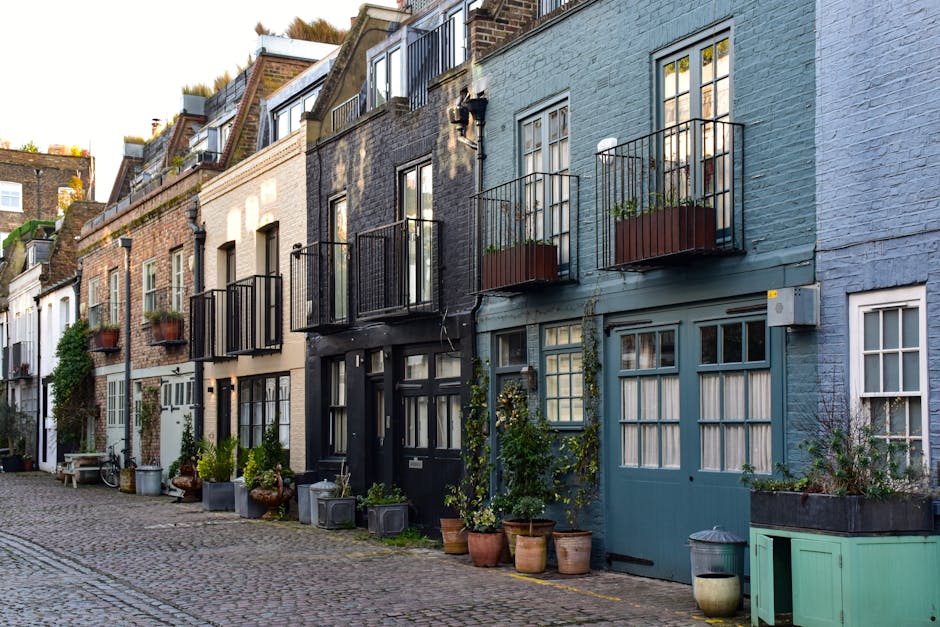
Real cost of garden clearance in Soho explained
If you have been putting off a garden clear-out because the numbers feel a bit hazy, you are not alone. The real cost of garden clearance in Soho explained is rarely just a single figure on a page. It depends on access, waste volume, green waste, mixed rubbish, labour, sorting, and how awkward the space is to work in. Soho gardens, courtyards, terraces, roof spaces and tiny rear yards often look simple from the street, then turn into a fiddle once you step inside. Tight access. Shared entrances. No parking. You know the sort of thing.
This guide breaks the price down in plain English so you can judge what is fair, what affects the quote, and where costs can creep up. It also explains how professional clearance usually works, when it is worth booking, and what to check before you agree to anything. If you want the service overview first, you can also look at the full range of garden services and the dedicated garden clearance service.
Let's face it: nobody enjoys paying more than they should for removing overgrown hedges, broken pots, old timber, and a year's worth of garden clutter. But a good clearance is not just about making a space look tidy for a weekend. Done well, it resets the garden, reduces hazards, and gives you a clean slate for maintenance or redesign.
Table of Contents
- Why the real cost matters
- How garden clearance pricing usually works
- Key benefits and practical advantages
- Who this is for and when it makes sense
- Step-by-step guidance
- Expert tips for better results
- Common mistakes to avoid
- Tools, resources and recommendations
- Law, compliance, standards, or best practice
- Options, methods, or comparison table
- Case study or real-world example
- Practical checklist
- Conclusion
- Frequently asked questions
Why Real cost of garden clearance in Soho explained Matters
Price matters because garden clearance can look deceptively straightforward. A few bags of leaves, a collapsed planter, a tangled patch of brambles - how hard can it be? Then the quote lands and you realise the job includes manual labour, loading, transport, disposal fees, and the time it takes to work safely in a busy central London setting.
In Soho, the real cost often reflects the practical realities of the area more than the garden itself. Parking may be limited. Access may be through a communal hallway or narrow side passage. Waste may need to be carried by hand over a distance. Those details matter. They affect labour time, the number of workers needed, and how many trips are required to remove everything properly.
It also matters because garden clearance is often the first stage before ongoing upkeep or redesign. If you are planning to bring in garden maintenance, install new planting, or move on to landscaping, you want the clearance phase done properly. A rushed job can leave hidden waste, missed roots, or unstable debris that causes problems later. Not ideal, frankly.
Clear pricing builds trust too. When a provider explains what is included, what counts as extra, and how waste is handled, you can compare quotes properly instead of guessing. That is the difference between a fair price and an expensive surprise.
How Real cost of garden clearance in Soho explained Works
Most garden clearance quotes are shaped by a few core factors. The basic idea is simple: the more labour, volume, complexity, and disposal work involved, the higher the price. But the details make all the difference.
1. Size of the job
A small tidy-up of leaves, light pruning waste, and a few bags of green cuttings is very different from clearing a neglected garden full of soil, timber, broken furniture, and tangled vegetation. In pricing terms, size is not just square metres. It is also how much material needs to be handled and how long it takes to remove.
2. Type of waste
Pure green waste is usually easier to process than mixed waste. Garden waste can include branches, soil, turf, pots, compost, rubble, old decking offcuts, and general rubbish that has accumulated outdoors. Mixed loads usually take more sorting and may require different disposal routes. That extra handling shows up in the cost.
3. Access and loading conditions
Soho access can be the silent price mover. If workers have to carry waste through a building, down stairs, or a long distance to a vehicle, the job takes longer and may need more than one person. If parking is awkward, the crew may spend extra time loading or repositioning. Those minutes add up.
4. Labour intensity
Some clearances are mainly carrying and bagging. Others involve cutting back overgrowth, breaking down large items, removing roots, or handling thorny, wet, heavy, or compacted material. More physical work means more time, and more time means more cost. Simple enough, but easy to overlook.
5. Disposal and recycling
Responsible disposal is part of the service, not an optional extra. A professional team should separate reusable, recyclable, and waste material where appropriate. If you care about sustainability, ask how the waste is handled and whether the service follows a recycling-first approach. The recycling and sustainability approach is worth checking because it tells you a lot about the company's standards.
6. Urgency and timing
Need the garden cleared before tenants move in? Before a sale? Before scaffold goes up? A tight deadline can affect availability and therefore cost. Same-day or short-notice bookings may also be priced differently, depending on staffing and route planning. To be fair, that is pretty standard across service work.
If you want a more complete view of how pricing is explained by the company, the page on pricing and quotes is a useful place to start.
Key Benefits and Practical Advantages
The obvious benefit is a cleaner garden. But the real value runs deeper than appearance.
- Safer use of the space: Removing broken pots, hidden debris, and slippery plant waste reduces trip hazards.
- Faster next steps: A clear site makes it easier to start planting, mowing, hedge work, or hard landscaping.
- Better visual impact: A tidy outdoor space can make a property feel larger, lighter, and more cared for.
- Less stress: Clearing a neglected garden yourself is time-consuming and, honestly, usually more exhausting than people expect.
- Better waste handling: Professionals can sort and dispose of material more efficiently than a series of ad hoc trips to a recycling point.
There is also a practical planning benefit. Once the space is cleared, it becomes much easier to see what is actually there: damaged borders, poor drainage, compacted soil, or old features that need replacing. That clarity helps if you are planning landscape gardening, tree work, or simply a better routine.
For some homeowners, the biggest advantage is peace of mind. You open the back door and the garden no longer looks like a project that has been waiting since last summer. Small thing? Not really. That sense of relief matters.
Who This Is For and When It Makes Sense
Garden clearance in Soho is useful for a wide range of people, not just homeowners with jungle-level growth. It makes sense if your garden has become hard to use, hard to clean, or hard to look at. That could mean one big seasonal reset or a response to a specific change in circumstances.
You may need it if:
- you have just moved into a property with an untidy outside space
- you are preparing for tenants, a sale, or new buyers
- storm damage has left branches, leaves, or broken items scattered around
- you have inherited a garden that has not been touched for months
- you want to remove overgrowth before lawn care or planting begins
- you need help handling bulky material or awkward access
It also makes sense if you have a small Soho courtyard that has somehow gathered half a dozen plant pots, a dead climber, a compost heap that got out of hand, and a few mysterious bits of wood. Gardens do that. They quietly collect stuff.
Some people assume clearance is only needed once a year. Not always. In tighter urban spaces, smaller but more frequent clear-outs can make more sense, especially if the garden feeds into regular lawn mowing or hedge maintenance. If shrubs are touching walls or fences, hedge trimming may also be part of the plan.
Step-by-Step Guidance
If you are trying to budget properly, the best approach is to think in stages rather than one big lump sum. Here is the sensible way to handle it.
- Walk the space slowly. Look at what actually needs removing: green waste, soil, old containers, damaged fixtures, or mixed rubbish.
- Separate what can stay. Keep anything you want to reuse, donate, replant, or repair. One client's "rubbish pile" is another person's good terracotta pot.
- Check access points. Measure gate widths, stairways, and the route from the garden to the vehicle. Narrow access affects labour time.
- Photograph the job. Clear pictures help with accurate quotes and avoid awkward back-and-forth later.
- Ask what is included. Confirm labour, loading, disposal, recycling, and whether sweeping or basic tidy-up is part of the service.
- Ask about exclusions. Soil-heavy loads, hazardous items, very large timber, or tree work may be priced separately.
- Compare like for like. Do not compare one quote that includes disposal with another that does not. That is how people get caught out.
- Book the right service mix. If the garden needs more than clearance, consider whether you also need maintenance, tree work, or a design refresh after the clear-out.
A quick call or message with good photos usually saves everyone time. It also gives the provider a clearer picture of the work involved. Truth be told, a decent photo is often worth more than a paragraph of explanation.
Expert Tips for Better Results
There are a few simple moves that can make the whole job smoother and, in some cases, cheaper.
Be clear about what you want removed
If there is a pile at the back that includes both green waste and general rubbish, say so. Vague descriptions lead to vague pricing, and vague pricing is rarely the bargain people hoped for.
Separate easy wins before the team arrives
If you can set aside items you want to keep, that helps the crew work faster. It is not about doing their job for them. It is about reducing confusion.
Think about follow-on work
Once the space is clear, what happens next? Some gardens need ongoing care, others need reshaping. A clear schedule for garden maintenance can prevent the same overgrowth from returning in a few months.
Ask how waste is handled
Not all clearance services approach waste the same way. A careful provider will explain sorting, recycling, and disposal in plain language. That is a good sign.
Do not ignore hidden access costs
In Soho, access is often the biggest non-obvious cost factor. A quote can look fine until you realise the waste has to be carried through a communal staircase while neighbours are trying to get past with shopping bags. You get the picture.
Practical summary: the fairest clearance quote is the one that reflects the true labour, access, and disposal work involved - not just the size of the garden on paper.
Common Mistakes to Avoid
A lot of budget headaches come from avoidable mistakes. Here are the ones that show up most often.
- Ignoring access: A tiny garden with difficult access may cost more than a larger one with straightforward loading.
- Forgetting mixed waste: Soil, rubble, and old timber are not the same as loose leaves or grass cuttings.
- Comparing quotes blindly: The cheapest figure may exclude disposal, labour, or cleanup.
- Leaving everything until the last minute: Short-notice jobs can be harder to schedule well.
- Assuming clearance means design work: Removal and redesign are different jobs. They may connect, but they are not the same thing.
- Not checking the post-clearance plan: If nobody will maintain the garden afterwards, it can start slipping back almost immediately.
One common mistake is underestimating how much time is saved by proper preparation. A simple ten-minute sort-out before the team arrives can shave a surprising amount of friction off the day. Small win, but a real one.
Tools, Resources and Recommendations
You do not need a van full of specialist kit to prepare for a quote, but a few practical tools help.
- Phone camera: Take wide shots and close-ups of the worst areas.
- Measuring tape: Handy for gate width, passage space, or awkward side access.
- Bin bags or stacking crates: Useful if you want to separate items to keep.
- Notepad or phone notes: Write down what must go, what can stay, and any access instructions.
- Weather window: A dry morning can make clearing easier, especially if there is wet soil or heavy cuttings involved.
On the service side, it is worth looking at the provider's wider standards. The pages on insurance and safety and health and safety give a good indication of how seriously the company treats the work. That is useful, especially for jobs involving sharp tools, heavy lifting, or shared access.
If you are planning a larger outdoor refresh, the services overview is also helpful because it shows where clearance sits alongside other practical services such as tree work, lawn care, and landscaping.
Law, Compliance, Standards, or Best Practice
Garden clearance touches on waste handling, access, safety, and sometimes tree or plant removal. The exact legal duties depend on the job, but good practice is fairly consistent across the UK.
At a basic level, waste should be handled responsibly and transported by a provider who understands how to separate material appropriately. If a job includes larger branches, trunks, or tree-related work, there may be extra safety considerations. For that reason, a service such as tree lopping and removal may be relevant where overgrown trees or major woody waste are involved.
Best practice also means protecting property during removal, using safe lifting methods, and being honest about what the quote covers. If a provider is vague about disposal, insurance, or working methods, that is a warning sign. Not always a deal-breaker, but enough to ask more questions.
In shared buildings and dense streets like Soho, it is also sensible to plan around neighbours, access routes, and any building rules that apply. A quiet, tidy, well-managed job is usually easier on everyone. You can tell a lot about a team by how they leave the path, stairs, or courtyard afterwards.
Options, Methods, or Comparison Table
There are a few ways garden clearance is commonly approached. The right one depends on the amount of waste, the condition of the garden, and how much of the work needs to be done by hand.
| Method | Best for | Typical strengths | Potential downsides |
|---|---|---|---|
| DIY clearance | Very small, light jobs | Lowest direct spend, full control | Time-consuming, hard disposal, physical effort |
| Partial help | Simple green waste or a few bulky items | Useful balance of cost and convenience | May still leave sorting and disposal issues |
| Full professional clearance | Neglected, mixed, or awkward gardens | Fast, safer, more complete, less hassle | Higher upfront cost |
For Soho properties, full professional clearance often makes the most sense when access is awkward or when the garden contains mixed material. DIY can work for a quick tidy, but the minute you start dealing with soil bags, old sleepers, wet branches, or a tight staircase, the job gets less charming by the second.
If the space is being cleared as part of a broader redesign, it may be more efficient to connect the work with landscape gardening or even decking services later on. That way, you avoid doing the same access and waste planning twice.
Case Study or Real-World Example
Imagine a small Soho courtyard that has not been touched properly for a while. The garden is not huge, but it has a collapsed planter, overgrown climbers, a patch of ivy on the wall, several bags of old soil, and a couple of broken pots. Nothing dramatic. Just enough to feel annoying every time you look out the window.
A provider would usually look at three things first: how much material must go, whether the waste is mostly green or mixed, and how easy it is to carry everything out. If the courtyard is at the back of a building and access is through a narrow hallway, that can quickly turn a small job into a longer one.
In a case like this, the cost is driven less by the visible size of the garden and more by the effort of getting waste out neatly, protecting the property, and disposing of everything properly. The job might only take a short time on site, or it might stretch out because of the extra handling. That's the sort of thing people rarely see until the quote arrives.
After the clearance, the space is suddenly usable again. You can see the boundaries. You can plan planting. Maybe even sit out there with a coffee in the morning light for once. Small, but satisfying.
Practical Checklist
Use this before you book garden clearance in Soho.
- Confirm exactly what needs removing
- Check whether the waste is green, mixed, or heavy material
- Measure access routes, gates, and stairways
- Take clear photos of the whole area
- Ask what the quote includes
- Ask whether disposal and cleanup are included
- Check how waste is sorted and handled
- Ask about insurance and safety procedures
- Decide whether follow-on maintenance is needed
- Keep any items you want to reuse or donate separate
- Confirm timing, arrival expectations, and any building access details
- Review whether broader services may be needed after clearance
If you are still comparing options, it is sensible to read more about the company before booking. The about us page can help with that, and if you have practical questions or want to discuss a specific garden, the contact page is the natural next step.
Get a free quote today and see how much you can save.
Conclusion
The real cost of garden clearance in Soho is about more than waste removal. It reflects access, labour, disposal, waste type, timing, and the practical realities of working in a tightly packed part of London. Once you understand those moving parts, it becomes much easier to spot a fair quote and avoid paying for guesswork.
A well-planned clearance can do more than tidy a garden. It can reset the space, reduce hazards, and make future maintenance or landscaping far easier. If you are dealing with a small courtyard or a more awkward outdoor area, clarity on pricing is half the battle. The rest is choosing the right level of help and making sure the job is handled properly.
And honestly, there is something deeply satisfying about seeing a cluttered garden turned back into something usable again. Fresh air, clear ground, room to breathe. That change feels good.
Frequently Asked Questions
How much does garden clearance in Soho usually cost?
The cost depends on size, waste type, access, and labour. A small tidy-up is usually far cheaper than clearing a neglected space with mixed waste and awkward access. The fairest quote is the one based on actual conditions, not a rough guess.
Why is garden clearance sometimes more expensive in Soho?
Soho properties often have tighter access, limited parking, and more manual carrying. Those practical issues increase labour time and can raise disposal effort too. The location itself does not automatically make a job expensive, but the logistics often do.
What is included in a professional garden clearance?
Usually it includes removal of garden waste, loading, transport, disposal, and a basic tidy-up. Some quotes may also cover sorting materials, clearing bulky items, or light cutting back. Always ask what is included before booking.
Does mixed waste cost more than green waste?
Usually, yes. Green waste is often easier to process than mixed material that includes rubble, timber, soil, old pots, or general rubbish. Mixed waste usually needs more sorting and can be more expensive to dispose of properly.
Can I save money by preparing the garden first?
Yes, sometimes. If you separate items you want to keep, provide clear access, and share good photos in advance, the team can quote more accurately and work more efficiently. Small preparation can make a real difference.
Is a garden clearance the same as garden maintenance?
No. Clearance is about removing clutter, waste, overgrowth, and unwanted material. Maintenance is ongoing care such as mowing, pruning, weeding, and keeping the garden in good shape. They work well together, but they are different jobs.
Do I need garden clearance before landscaping?
In many cases, yes. A clear site makes landscaping easier and more cost-effective because the new work starts from a clean base. If you are planning a redesign, the clearance stage is usually the sensible first move.
What should I ask before accepting a quote?
Ask what is included, whether disposal is covered, how access affects pricing, whether there are extra charges for heavy or mixed waste, and how the team handles recycling and safety. Clear answers usually mean a more reliable service.
Can tree waste be included in garden clearance?
Sometimes, but larger branches, trunks, or more substantial tree work may be treated separately. If the garden has significant woody waste or overgrown trees, it may be better to discuss whether additional tree services are needed.
How do I know if a quote is fair?
A fair quote will match the size of the job, the amount of waste, the access challenges, and the disposal work involved. If one quote is much lower than the others, check what it leaves out. Cheap can be fine. Hidden extras, not so much.
What happens to the waste after clearance?
Responsibly handled garden waste is sorted and disposed of according to the type of material. Some waste can be recycled or processed separately. It is worth asking how the provider approaches recycling and sustainability, especially if that matters to you.
Should I book clearance once or schedule it regularly?
That depends on how quickly the garden grows back and how much time you want to spend managing it. Some people only need a one-off reset. Others benefit from routine maintenance after the initial clearance so the space does not slide back into chaos.