Soho Garden Maintenance for Restaurants on Frith Street
Running a restaurant on Frith Street means every detail is on show. The front terrace, the planter by the door, the hanging baskets, the narrow side strip that catches the morning light - all of it shapes how people feel before they even sit down. That is why Soho garden maintenance for restaurants on Frith Street is not just a nice extra. It is part of the guest experience, brand presentation, and day-to-day practicality.
In a busy part of Soho, outdoor planting and hard-to-manage green spaces can look brilliant one week and tired the next. Leaves fall, displays dry out, soil gets kicked about, and a single neglected planter can make an otherwise polished frontage feel a bit off. The good news? With the right maintenance rhythm, restaurant outdoor areas can stay neat, welcoming, and manageable without becoming a burden on your team.
This guide walks through what professional maintenance actually involves, why it matters in a dense hospitality location like Frith Street, how to plan it properly, and what to watch out for. If you are weighing up a recurring service or trying to improve an existing setup, this should give you a clear, usable picture. No fluff. Just the stuff that helps.
Why Soho Garden Maintenance for Restaurants on Frith Street Matters
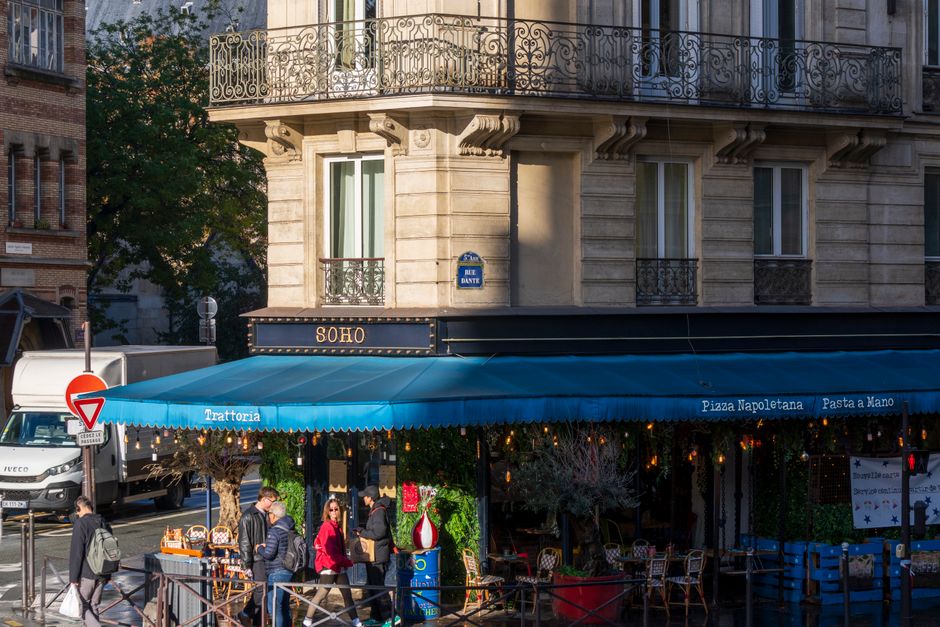
Frith Street sits right in the kind of environment where presentation matters every minute of the day. Pedestrian flow is constant, tables turn quickly, and the outside edge of a restaurant often does a lot of silent selling. A tidy planter line, fresh planting, and clean surfaces suggest care. The opposite does the same, only not in a good way.
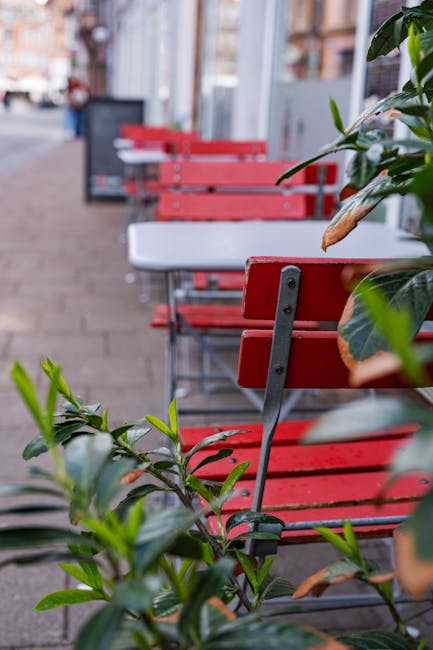
For restaurants, garden maintenance is rarely about having a big garden in the traditional sense. It is more often about narrow frontage beds, container displays, courtyards, window boxes, roof terraces, or a few highly visible green features. These spaces can be small, but they carry outsized weight. A half-dead arrangement by the entrance can be noticed faster than a dozen excellent details inside.
There is also the operational side. Overgrown planting can block sightlines, attract litter, shed leaves into walkways, and create extra cleaning tasks for front-of-house staff. In wet weather, damp soil and fallen foliage can become slippery around thresholds. In summer, thirsty containers can deteriorate in a few hot days if nobody is keeping an eye on them. You know how it goes: one missed week and suddenly everything looks a touch tired.
Good maintenance helps restaurants stay consistent. That is the real value. Consistency makes a place feel cared for, and in hospitality that feeling matters almost as much as the menu.
If you are planning a wider refresh, it can help to understand the difference between routine upkeep and design-led improvements. Our garden maintenance service focuses on regular care, while landscaping and landscape gardening are more useful when you want to reshape the space itself.
How Soho Garden Maintenance for Restaurants on Frith Street Works
For most restaurants, the service starts with a site review. That review is less about ticking boxes and more about understanding how the space is actually used. Where do customers walk? Where does the delivery route pass? Which planters dry out fastest? Which beds collect debris? A good maintenance plan starts with those everyday details, because they tell you what really needs attention.
From there, the work is usually built around a recurring schedule. In practice, that might mean weekly, fortnightly, or seasonal visits, depending on the planting style and how exposed the area is. A shaded courtyard with hardy shrubs will need a different rhythm from a sunny terrace packed with herbs, flowers, and decorative containers. To be fair, the plants do not care how busy service is. They just do what plants do.
Typical tasks can include:
- weeding and clearing debris
- deadheading flowers and removing tired growth
- watering or checking irrigation
- tidying planter edges and top dressing soil
- light pruning and shaping
- lawn care where small lawned areas exist
- hedge trimming or clipping structured planting
- checking plant health and replacing failed specimens
- keeping access routes and seating edges clean
Some locations also need occasional heavier work. For example, if a planter has been neglected for a while, a one-off tidy-up or garden clearance may be needed before regular maintenance can begin properly. If tall growth is creating issues with visibility or light, hedge trimming or tree lopping and removal may be relevant, depending on the planting and the space available.
The practical goal is simple: keep the space safe, attractive, and easy to manage. Not overdone. Not underdone. Just right for a restaurant setting where the environment needs to support service rather than distract from it.
Key Benefits and Practical Advantages
Let's face it, restaurant owners and managers are not paying for gardening as a hobby. They are paying for results that help the business run better. The benefits are broad, but the strongest ones are very tangible.
1. Better first impressions
Guests make snap judgements. A cared-for frontage suggests attention to detail inside the restaurant too. That matters on a street like Frith Street, where people often choose between several appealing places within a few steps.
2. Less pressure on staff
If the outdoor area is always in shape, front-of-house staff are not constantly improvising with watering cans, sweeping leaves, or moving planters around before opening. That saves time and reduces the slow drip of little jobs that pile up.
3. Lower long-term costs
Regular maintenance usually costs less than rescue work. Once planting becomes badly overgrown or dies off, replacement and restoration can be more expensive than consistent care. Small repairs are easier to manage than a full reset.
4. Safer customer movement
Clear walkways, neat edges, and well-kept planting reduce the chance of trips, messy spill areas, and obstructed access. Outdoor spaces in central London can be tight, so safety and presentation overlap more than people expect.
5. More reliable outdoor trading
If you use pavement-facing planting, small courtyards, or terrace seating, upkeep directly affects how usable those spaces are. A tidy outdoor area can make covers feel more inviting, especially during warmer months when people want to sit outside for that slightly louder, buzzier Soho feel.
6. Stronger brand image
Greenery softens hard city surroundings. In a place full of signage, glass, traffic, and footfall, a well-maintained planting scheme gives a restaurant a calmer, more thoughtful look. It is a subtle advantage, but a real one.
Expert summary: For restaurants on Frith Street, garden maintenance works best when it is treated as part of operational presentation, not as a cosmetic afterthought. The sites that look effortless usually have a good routine behind them.
Who This Is For and When It Makes Sense
This kind of service is a fit for a few different types of hospitality businesses. Some have obvious outdoor areas. Others only have a handful of planters near the entrance. Either way, if greenery is visible to guests, maintenance matters.
- Independent restaurants that want a polished frontage without tying up staff time
- Bars and brasseries with courtyard planting or terrace features
- Hotels with dining spaces where outdoor presentation supports the wider brand
- Cafes and casual dining venues that rely on street appeal
- Venue operators managing shared outdoor areas or decorative planting
It also makes sense when the space is under strain. If planting is near kitchens, service doors, smoking areas, or delivery access, it tends to get knocked about. If the area faces full sun, wind, or shade from tall buildings, it can become patchy or stressed more quickly. Soho is full of those awkward little microclimates. One side of a terrace can be parched while another stays damp. Annoying, but normal.
You may also need a maintenance plan if your restaurant uses a more designed outdoor setup with timber features or decorative hard landscaping. In those cases, decking services and general upkeep often work hand in hand, because the planting and the structure affect each other.
Step-by-Step Guidance
If you are starting from scratch or refining an existing arrangement, a structured approach saves time later. Here is the simplest way to think about it.
- Assess the space honestly. Walk it at opening time and again after service. Look at what customers see, where dirt collects, and which plants are struggling.
- Define the purpose. Is the area mainly decorative, or is it meant to support outdoor dining? That changes the planting style and the maintenance rhythm.
- Choose realistic planting. For restaurants, hardy, low-fuss planting is often more sensible than delicate schemes that need constant attention. Beautiful is great. Beautiful and survivable is better.
- Set a schedule. Weekly visits might suit high-visibility frontages, while quieter courtyard areas may only need fortnightly or seasonal attention.
- Agree on priorities. The plan should say what gets done every visit and what is occasional. Watering, pruning, debris removal, and plant replacement should not be guesswork.
- Build in seasonal checks. Spring bedding, summer watering, autumn leaf fall, and winter tidy-ups each need a slightly different approach.
- Review after service changes. If you extend trading hours, add seating, or change the layout, the maintenance plan should be updated too. Otherwise it drifts.
For many restaurant owners, that first review is a wake-up call in a useful way. What looked "fine" from the pavement can look a bit different at close range. A tired planter by the host stand, for example, can make the whole frontage feel neglected even if the dining room is immaculate.
If your space has become cluttered with old pots, broken fixtures, or unwanted growth, a reset may be the right first step before routine maintenance begins. In those cases, a services overview can help you think through the wider mix of upkeep, clearance, and improvement work.
Expert Tips for Better Results
These are the sort of things that make maintenance feel smooth rather than reactive.
- Choose plants that match the site, not the mood board. Soho spaces can be windy, shaded, hot, or dry in ways that are not obvious until you have lived with them for a while.
- Use containers with proper drainage. Standing water is bad news for roots and makes planters look shabby fast.
- Keep one eye on the entrance line. If guests see the outdoor area before they see the dining room, that edge has to stay crisp.
- Build in replacement stock. A couple of spare plants or a backup seasonal display can save the whole look when one specimen fails.
- Don't over-prune just to make things look neat. Over-cutting often creates more work later and can weaken the planting.
- Coordinate with opening hours. Morning visits are often best because the space is clearer and there is less disruption to service.
One small but important point: if your outdoor space is visible in the evening, lighting changes how planting reads. A terrace that looks lush in daylight can feel flat under warm artificial light if the structure is messy. Sometimes a tiny adjustment to shape or spacing makes a bigger difference than adding more plants. Strange, but true.
If sustainability matters to your restaurant brand, ask how green waste and removed material are handled. The way waste is managed says something about the service too. A responsible approach to upkeep should feel aligned with the rest of the business, not bolted on. You may want to review the provider's approach to recycling and sustainability as part of your decision.
Common Mistakes to Avoid
It is easy to get this wrong in ways that are subtle at first. The mistake is usually not dramatic. It is more often a series of small compromises.
- Using high-maintenance planting in a low-attention environment. If the restaurant team cannot water or monitor plants every day, fragile schemes tend to fail.
- Leaving maintenance until it looks bad. By then you are often in restoration territory, which takes more time and money.
- Ignoring access and circulation. Pretty planting that blocks routes is a problem, not a feature.
- Forgetting seasonal change. A display that looks great in May may look bare by late August if it was never planned for heat and wear.
- Mixing too many styles. A jumble of pots, heights, and materials can make the frontage look accidental.
- Assuming one-off work is enough. A tidy-up is useful, but without regular follow-through it does not stick.
There is also a softer mistake: overcomplicating the brief. Restaurant teams often think they need something elaborate. In reality, the best result is usually calm, tidy, and durable. Nothing shouting for attention. Just a clean, confident look that feels like it belongs.
Tools, Resources and Recommendations
A good maintenance setup does not need a warehouse full of kit. What matters is using the right tools consistently and keeping the workflow efficient.
| Need | Useful approach | Why it helps |
|---|---|---|
| Daily visual checks | Simple walk-through at opening or closing | Catches small issues before guests see them |
| Plant care | Watering, feeding, deadheading, and light pruning | Keeps displays looking fresh without overworking them |
| Reset work | Occasional clearance or replanting | Restores tired areas and gives maintenance a proper base |
| Hard surface support | Sweeping, edging, and debris removal | Prevents the green space from making the whole frontage feel messy |
| Structural support | Trimming hedges or managing trees where applicable | Maintains light, visibility, and safe access |
If you are comparing broader service options, it helps to look at how routine work sits alongside occasional interventions. A well-planned programme may combine maintenance with lawn mowing for small grassed spaces, hedge trimming for structural planting, and tree lopping and removal where overhead growth becomes impractical or unsafe.
For new clients, documentation matters too. A clear scope, a service schedule, and a simple point of contact save a lot of back-and-forth later. You do not want to be guessing who is meant to water the planters three weeks after opening, because that is how little headaches become big ones.
Law, Compliance, Standards, or Best Practice
Restaurant garden maintenance in Soho is not usually about complex regulation in the way some other industries are. Still, there are sensible compliance and best-practice points to keep in mind.
First, any work should be carried out with proper attention to health and safety. That means reducing slip risks, keeping tools and waste managed properly, and making sure work does not disrupt safe access for staff or guests. If your provider works on site regularly, it is reasonable to ask how they manage safety, public interaction, and liability. A trustworthy team should be able to explain this plainly. No mystery, no waffle.
Second, if the outdoor area is part of customer circulation, planting should not create trip hazards or obstruct entrances, exits, or emergency routes. That is less about dramatic legal language and more about basic good practice. In a tight urban setting, small layout mistakes can cause big frustrations.
Third, waste handling should be responsible. Green waste, broken pots, and cleared material need to be taken away or recycled appropriately. If sustainability is part of your brand, that should show in the way maintenance is done, not just in the menu copy.
Finally, any business-facing agreement should be clear on scope, timing, payment terms, and what happens if access is restricted. For a restaurant, especially one with limited morning windows, this detail matters more than people expect. You do not want a service arriving during peak prep and everyone standing around looking mildly confused. Happens more than you would think.
If you want to understand how a provider frames these responsibilities, it can be helpful to review pages covering health and safety policy, insurance and safety, and terms and conditions before agreeing a regular programme.
Options, Methods, or Comparison Table
Different restaurants need different maintenance models. There is no single right answer, but there are clear trade-offs.
| Maintenance approach | Best for | Pros | Limitations |
|---|---|---|---|
| Weekly upkeep | High-visibility frontages and active dining spaces | Keeps everything sharp; small issues are caught fast | Higher ongoing commitment |
| Fortnightly upkeep | Moderate planting with stable conditions | Balanced cost and presentation | Can be stretched in hot or windy weather |
| Seasonal visits | Low-maintenance or mostly decorative spaces | Useful for refreshes and resets | Not enough for active, customer-facing displays |
| One-off clearance plus maintenance | Overgrown or newly acquired spaces | Fast way to regain control | Only works long term if followed by regular care |
For many Frith Street restaurants, the best solution is a hybrid model. A one-off tidy or redesign gets the area back into shape, then a recurring maintenance plan keeps it there. That is usually the sweet spot. Not always glamorous, but effective. And honestly, effective is what you want.
Case Study or Real-World Example
Consider a small restaurant with a narrow front edge and a couple of decorative planters near the entrance. At first, the team handles care in-house. One person waters when they remember, another trims back the dead bits when it looks obvious, and everyone assumes the space is "fine".
Then summer arrives. The front planters dry out quickly in the heat, one side gets more shade than expected, and the planting starts to thin. A few leaves blow into the doorway after every busy lunch service. The host station gets cluttered. The frontage still works, technically, but it no longer feels as polished as the interior.
After switching to a structured maintenance routine, the space settles down. The planters are watered consistently, the tired stems are removed before they dominate, and the soil is topped up. The entrance looks tidier from the street, the staff spend less time fixing the same small problems, and the whole front of house feels calmer. Nothing dramatic. Just better. And that tends to be enough.
That is the thing with restaurant garden care: improvement often comes from boring consistency. Which, oddly enough, is a compliment.
Practical Checklist
Use this as a quick sense-check if you are reviewing your current setup.
- Is the outdoor area clean and presentable from the street?
- Are the plants suited to the light, wind, and footfall of the site?
- Is there a clear maintenance schedule in place?
- Are watering and seasonal tasks handled consistently?
- Do walkways, entrances, and service routes stay clear?
- Are dead plants, weeds, and debris removed promptly?
- Is there a plan for replacement planting when needed?
- Have safety and access issues been reviewed?
- Is waste from maintenance being managed responsibly?
- Do the outdoor features still match the restaurant's brand and standards?
If you cannot say yes to most of those, the space probably needs a tighter routine. Not a total reinvention necessarily. Sometimes it just needs someone to take ownership and keep it moving.
Conclusion
Soho garden maintenance for restaurants on Frith Street is really about protecting the experience your guests have before they even open the door. In a compact, high-traffic part of London, small outdoor details carry a lot of weight. Good upkeep makes a restaurant feel sharper, safer, and more welcoming. Poor upkeep does the opposite, quickly.
The best results come from realistic planting, a clear schedule, and regular attention to the things that matter most: presentation, access, safety, and consistency. Whether you are managing a simple frontage or a more involved outdoor setup, a well-kept green space can quietly strengthen your brand every day. That is the sort of improvement people notice, even if they do not say it out loud.
Get a free quote today and see how much you can save.
For a broader look at how these services fit together, you may also want to explore services overview and about us before making your next decision. If you are ready to talk through what your site actually needs, the contact page is the sensible next step.
Frequently Asked Questions
What does Soho garden maintenance for restaurants on Frith Street usually include?
It usually includes weeding, watering, pruning, deadheading, debris removal, plant health checks, and occasional replacement planting. Some sites also need hedge trimming, clearance work, or support with small lawned areas.
How often should a restaurant outdoor area be maintained?
That depends on exposure, planting choice, and footfall. High-visibility frontages often need weekly attention, while quieter spaces may be fine on a fortnightly or seasonal schedule. In Soho, many sites benefit from more frequent checks than they first expect.
Is this service only for large gardens?
No. Many restaurant clients only have planters, window boxes, a small terrace, or a narrow frontage. In urban hospitality, tiny green spaces can still have a big visual impact.
Can maintenance help if the area is already overgrown or messy?
Yes, but it may need a reset first. A one-off tidy, clearance, or replanting session can get the area back under control before regular maintenance starts. Otherwise the same problems tend to return.
What is the difference between maintenance and landscaping?
Maintenance is ongoing care of the existing space. Landscaping is more about changing the layout, structure, or planting scheme. If you want to improve how the area works, landscaping may be the better starting point.
Will regular maintenance reduce the pressure on restaurant staff?
Usually, yes. A proper schedule means staff are not trying to fix plant issues between service periods. That helps the front of house stay calm and keeps small jobs from piling up.
How do I know if my current planting is wrong for Frith Street?
If plants are failing quickly, drying out, looking sparse, or constantly blocking access, the scheme may not suit the site. Shade, wind, and traffic can all affect how well planting performs in central London.
Should I ask about insurance and safety before booking?
Absolutely. Any provider working around customers and staff should be able to explain their safety approach clearly. It is sensible to review insurance and safety arrangements before agreeing regular visits.
Can sustainable waste handling be part of maintenance?
Yes. Green waste, prunings, and removed plants should be managed responsibly. If sustainability matters to your brand, ask how waste is collected, recycled, or disposed of.
What if my restaurant only needs a seasonal tidy-up?
That can work for some low-maintenance spaces. Seasonal visits are useful for refreshes, but they are not usually enough for busy, customer-facing areas that need to look good all year.
How do I choose the right service level?
Start with how visible the space is, how much footfall it gets, and how much your team can realistically handle. If the area is public-facing and part of the customer experience, more regular maintenance is usually the safer choice.
Where can I find more details on related services?
You can review garden maintenance, garden clearance, lawn mowing, hedge trimming, and recycling and sustainability to see how the wider service mix fits together.